

More than a decade after players first set foot upon the frozen shores of Northrend, the continent continues to stand as one of the strongest examples of cohesive world-building. It is not simply a place tied to the Lich King’s legacy—it is a world shaped by atmosphere, pacing, tone, and the seamless blend of exploration and narrative. Northrend didn’t just host a story; it elevated the relationship between environment and gameplay, giving players a sense of purpose the moment they arrived.
This retrospective looks at the many reasons Northrend continues to resonate, exploring how its zones, encounters, and themes blended into a setting that still feels unmatched fifteen years later.
A Land Defined by Atmosphere
Northrend remains memorable largely because every zone reinforces the thematic core of its campaign. From the icy silence of Dragonblight to the rugged cold of Storm Peaks, each region projects a mood that ties directly to the expansion’s central conflict. The environments weren’t merely backdrops—they were participants in the story. Snowstorms clouded vision, vrykul war camps felt alive, and ancient titan architecture inspired mystery rather than spectacle. Northrend felt vast but never empty, harsh but never hollow.

The environmental design invited curiosity. Players wanted to know what lay behind the cliffs, who hid among the ruins, and how the chill itself shaped the journey ahead. Even after countless visits, that sense of discovery hasn’t faded.
The Impact of Strong Zone Identity
Each Northrend zone had a vision, a culture, and a story that stood on its own while supporting the expansion’s broader arc. Howling Fjord offered vertical storytelling through cliffs and villages; Borean Tundra contrasted industrial conflict with natural landscapes; Grizzly Hills delivered music, wildlife, and folklore in perfect balance. The continent created emotional rhythm, guiding players through contrasting tones without breaking immersion.
Northrend’s variety was not random. It was intentional, crafted to ensure each region contributed something vital to the experience without overshadowing another. This kept the journey fresh no matter which leveling path players chose.
A Narrative That Felt Personal
The Lich King’s presence shaped every moment spent in Northrend. Even when he wasn’t on screen, his influence reached through echoes in quests, environmental storytelling, and the actions of the many forces aligned with or against him. The antagonist wasn’t distant—he watched your character progress, challenged your purpose, and reacted to your actions. This connection made the storyline feel personal, giving every zone a weight that lingered long after players left it behind.
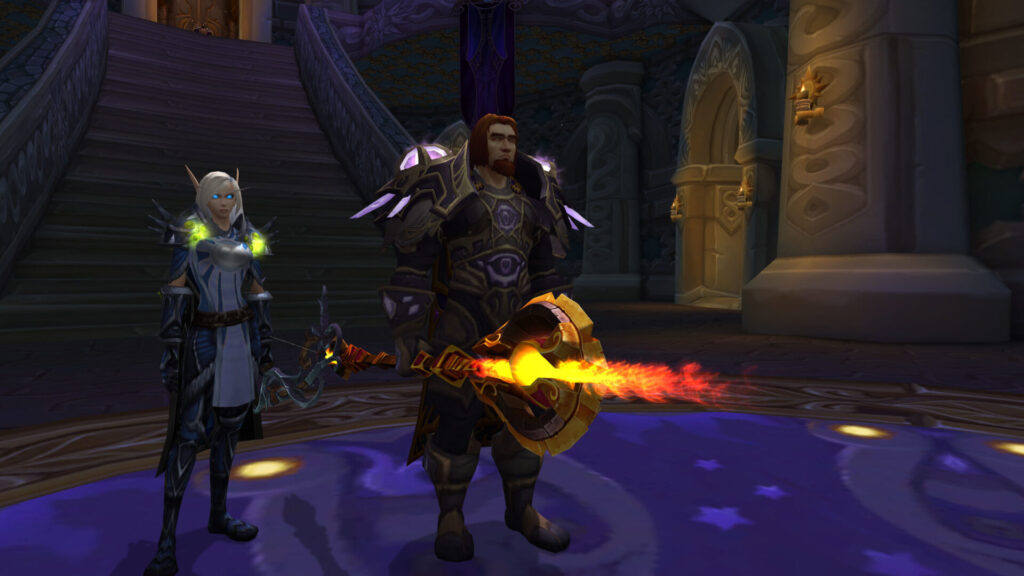
Few expansions have achieved that sense of constant narrative pressure without overwhelming the player. Northrend managed it with precision.
How Northrend Balanced Exploration and Structure
Unlike later expansions that relied heavily on directed paths, Northrend offered exploration that rewarded curiosity without punishing deviation. Players could follow zone hubs naturally or wander into unexpected quests tied to crypts, shipwrecks, or titan vaults. The expansion created the feeling of a frontier—one where danger and story waited behind every ridge.
To illustrate how exploration compared to later designs, here’s a simple comparison:
| Expansion Feature | Northrend | Later Expansions |
|---|---|---|
| Questing Path | Open, flexible | Structured, linear |
| Environmental Story | High, subtle | High, more direct |
| Zone Independence | Strong | Variable |
| Exploration Reward | Frequent | Objective-based |
Why Players Still Return
For many, Northrend embodies the feeling of a true adventure—one that balances mystery, beauty, and conflict. The soundtrack alone evokes a sense of wonder and melancholy unique to the expansion. But nostalgia isn’t the only reason players revisit it. The continent offers timeless experiences: cohesive storytelling, iconic dungeons, memorable characters, and environments that still hold visual appeal even by modern standards.
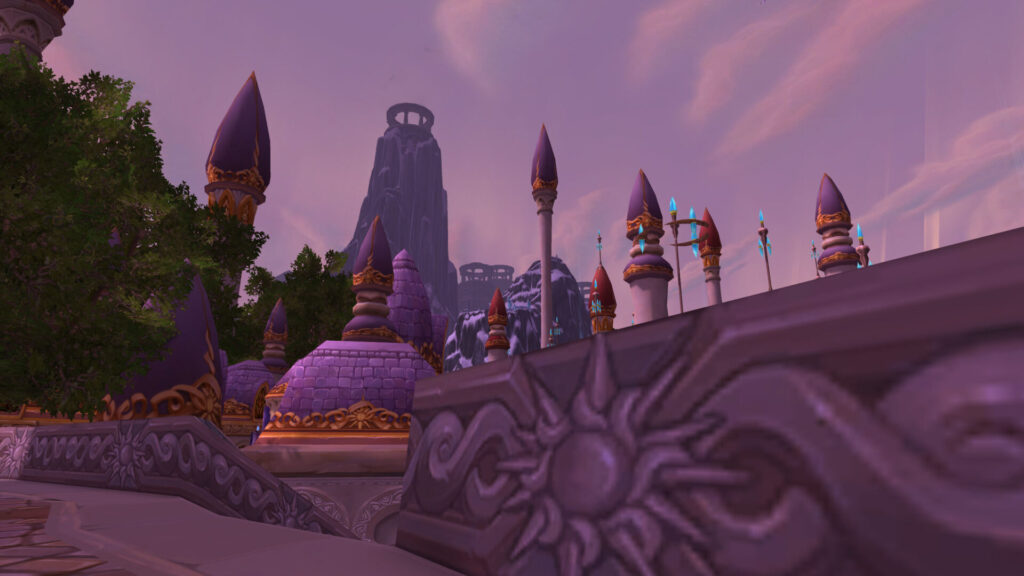
Northrend’s endurance speaks to careful design rather than sentiment. It remains a masterclass in how to craft a believable, emotionally compelling setting.
Conclusion
Fifteen years later, Northrend shows how powerful environmental storytelling can be when executed with clarity and intention. It is a continent where every snowbank, ruin, and settlement contributes to its identity. Northrend didn’t just set the stage for a story—it became the story.
That cohesion is why it stands as one of the most beloved settings ever introduced, and why its influence continues to echo across the game’s evolving landscape.

Leave a Reply