

In the world of WoW PvE, understanding aggro and threat is vital for anyone looking to improve their gameplay. You’ve probably seen tanks leading the charge and wondered how they keep enemies’ attention focused on them while DPS and healers do their job. It’s all about managing threat, a concept that can be as intricate as it is fundamental. What if you could guarantee a smoother run by mastering these dynamics? Before you take on your next raid, consider the strategies that separate novice players from seasoned adventurers.
Basics of Aggro and Threat
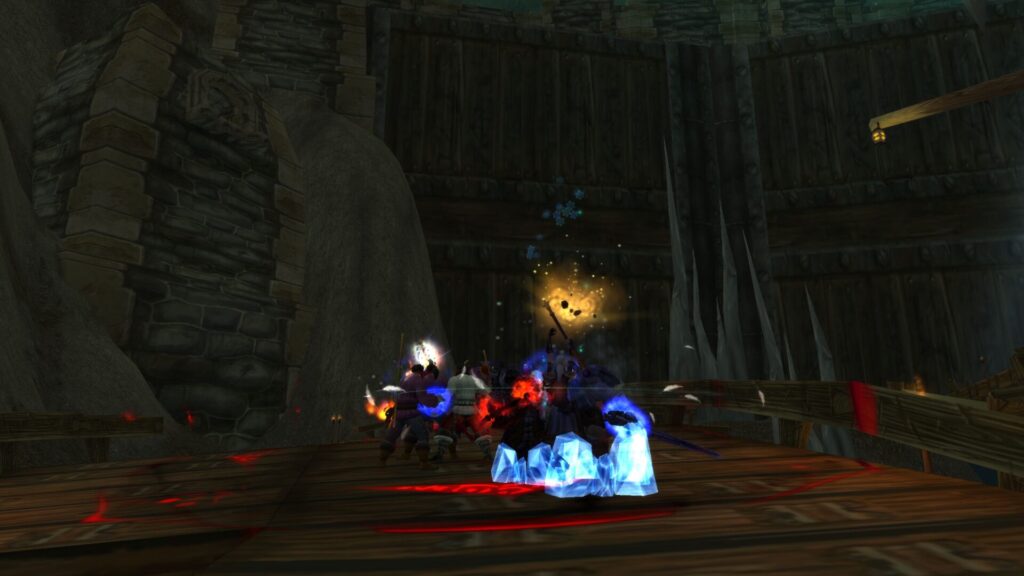
In the domain of World of Warcraft’s PvE encounters, understanding the basics of aggro and threat is essential for any player aiming to improve their gameplay. Aggro types and threat levels are core concepts you need to grasp. Aggro refers to the attention mobs give players, while threat is a numerical value representing how much a mob wants to attack you. Recognizing the tank roles is vital since tanks are designed to generate the highest threat, ensuring mobs focus on them instead of squishier teammates.
To effectively manage aggro, you must understand threat generation and utilize dps strategies wisely. DPS players should be aware of their threat levels to avoid overtaking the tank’s threat, which can lead to unwanted mob attention. This involves balancing damage output with threat monitoring tools, like threat meters.
Healer responsibilities also include managing threat. Healers generate threat through healing spells, making them potential targets. They should be cautious, especially during high-damage phases, to avoid pulling aggro from the tank. Understanding aggro mechanics helps you coordinate better with your team, ensuring that everyone plays their role effectively and keeps the group safe from unnecessary chaos.
How Threat Is Calculated
Calculating threat in World of Warcraft involves a few key factors that every player should understand. Threat generation mechanics are at the core, where your abilities contribute threat based on damage or healing output. The role of abilities can vary—some are designed to generate more threat, making them vital for tanks. Damage mitigation strategies also play a part, as mitigating damage can sometimes reduce the threat you generate, especially with certain defensive abilities.
In multiplayer threat dynamics, understanding threat transfer techniques is essential. Abilities like “Misdirection” or “Tricks of the Trade” allow players to transfer threat to a tank, ensuring they maintain control of aggro. Aggro reset methods, such as a boss’s ability to wipe threat, can turn the tide of battle, so be prepared to re-establish threat quickly.
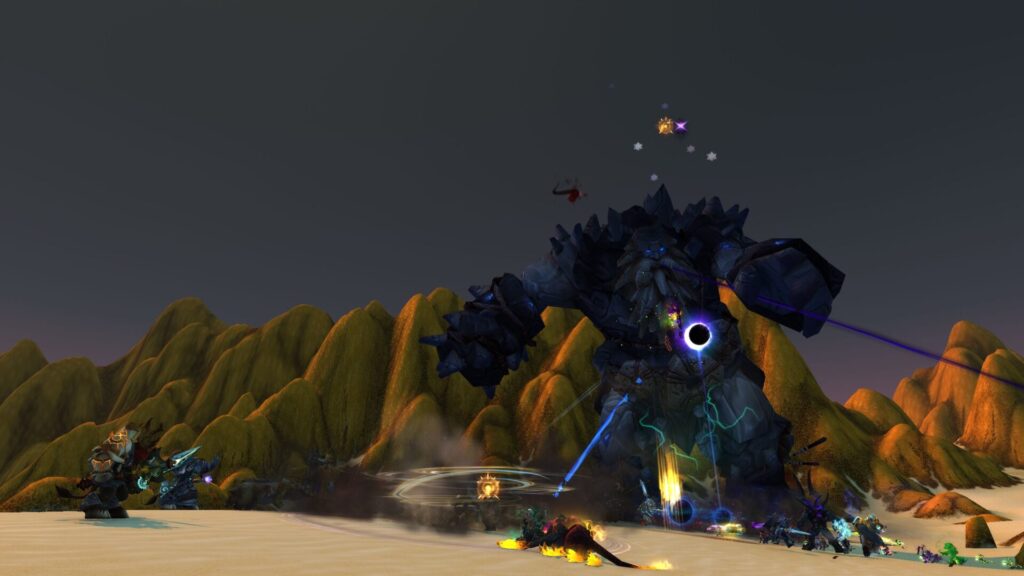
Threat decay factors should also be considered. Over time, threat can decay, especially if you’re not actively engaging the enemy. This is where consistent threat generation becomes necessary. Finally, effective threat management requires knowing when and how to use your abilities to maintain aggro without overstepping and pulling threat from the tank, ensuring smooth combat flow.
Managing Threat as a Tank
As a tank, mastering threat management is your primary responsibility, guaranteeing that enemies focus their attacks on you rather than your more vulnerable teammates. Begin with effective tank positioning strategies to control the battlefield, placing yourself between enemies and your group. Use threat generation techniques like high-threat abilities and consistent damage to maintain enemy focus. Understanding taunt abilities is fundamental; save them for when a target strays, pulling them back to you immediately.
Cooldown management tips are essential for survival and maintaining threat. Use defensive cooldowns strategically to absorb damage when your health is low or when healers are overwhelmed. Additionally, familiarize yourself with threat transfer mechanics, which allow you to redirect threat back to yourself when a teammate inadvertently gains aggro.
Communication with DPS players is critical. Keep them informed about your threat status so they can adjust their damage output accordingly. Finally, hone your situational awareness skills. Constantly assess the battlefield, watching for new threats or changes in enemy behavior, and adjust your tactics as needed. By mastering these skills, you’ll guarantee that you remain the focal point of enemy attention, protecting your team effectively.
Reducing Threat for DPS and Healers
One essential aspect DPS and healers should focus on is threat reduction to guarantee the tank maintains aggro on enemies. Begin by employing threat reduction techniques, such as using abilities that inherently lower your threat or temporarily remove you from the enemy’s threat table. Cooldown management strategies are critical; verify you’re timing your most powerful spells and abilities when the tank has established a strong hold on aggro. Aggro transfer mechanics, like misdirecting threat to the tank, can be lifesavers in high-stakes situations.
Positioning considerations also play a significant role. By staying at an ideal distance from the tank and enemy, you minimize the risk of accidentally drawing aggro. Damage mitigation tactics, such as shields or self-healing spells, can buy time if you do draw attention away from the tank, without increasing your threat. Debuff applications, when used wisely, can reduce enemy damage output, indirectly aiding threat management.
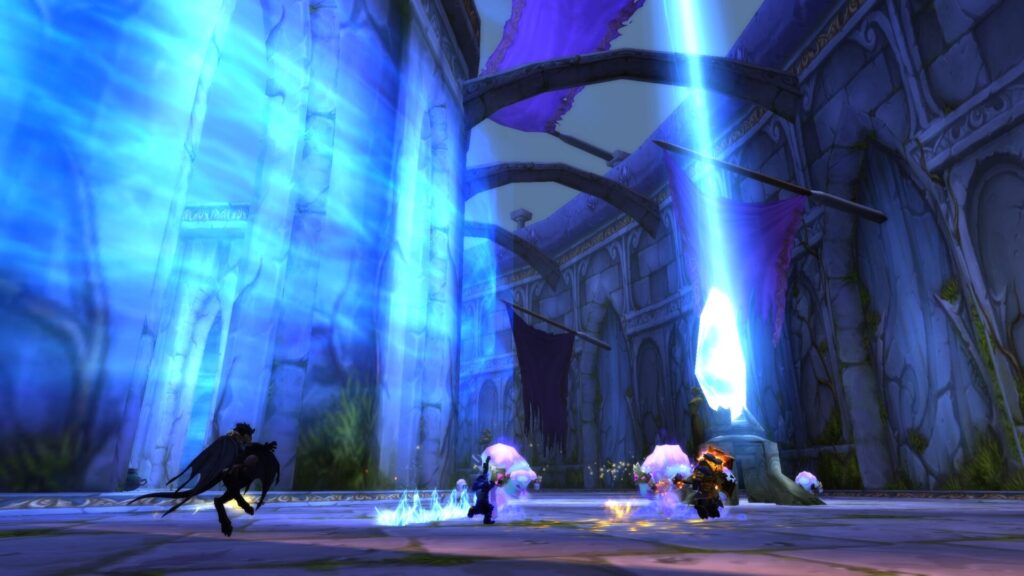
Lastly, make use of threat monitoring tools to keep an eye on your threat levels. This real-time feedback helps you adjust your tactics dynamically, making sure your damage and healing contribute to the group’s success without disrupting the tank’s control.
Tools and Add-ons for Threat Management
Effective threat management in World of Warcraft requires not only skill but also the right tools and add-ons to keep everything under control. One essential tool is a threat meter, such as ThreatClassic2 or Details! Threat Plugin. These add-ons provide real-time data on threat levels, helping you monitor your position relative to the tank’s threat generation. This information is important for DPS and healers to avoid pulling aggro unexpectedly.
Aggro dumps are another key component in threat management. Abilities like Feign Death for hunters or Invisibility for mages allow you to temporarily remove threat, giving tanks time to re-establish control. Tank cooldowns and damage mitigation abilities, such as Shield Wall or Barkskin, help maintain threat while reducing incoming damage.
For tanks, threat transfer skills like Hand of Salvation can be utilized to transfer threat from high-threat players back to the tank, ensuring stability during intense fights. Understanding how these abilities interact and complement each other is essential for effective threat management.

Maximizing these tools and add-ons not only improves your individual performance but also enhances your entire group’s ability to defeat challenging encounters efficiently. Always keep your threat management toolkit updated and ready for action.
Frequently Asked Questions
How Does Group Composition Affect Threat Management Strategies?
Your group composition affects threat management by determining how tank classes hold aggro, damage dealers use threat reduction abilities, and healer roles manage threat. Utilize crowd control, ability cooldowns, and positioning strategies to maintain balance efficiently.
Can Threat Be Shared or Transferred Between Players?
Imagine a delicate dance where threat mechanics guide you. Yes, threat can be shared or transferred. Through tank swaps and threat reduction, you’ll monitor aggro generation, ensuring damage mitigation. Threat transfer is the rhythm that keeps harmony.
How Do Environmental Factors Influence Threat Levels?
You’re affected by environmental hazards and terrain advantages; line of sight tactics can alter threat. AoE damage effects increase it, while crowd control impacts reduce it. Visibility conditions and zone debuffs also manipulate threat levels considerably during encounters.
What Role Do Pets and Minions Play in Generating Threat?
Your pets and minions play essential roles in threat generation through pet abilities and positioning. Mastering aggro mechanics involves understanding pet scaling and threat transfer, ensuring your pet roles effectively distract enemies while maintaining balanced threat levels.
Are There Any Specific Boss Mechanics That Alter Threat Generation?
Imagine a stormy sea where the tides suddenly shift. Boss mechanics can be like this, altering threat with abilities such as threat modifiers and resets, forcing you into tank swaps during damage spikes and distinct encounter phases.
Conclusion
Mastering aggro and threat is key to dominating WoW PvE encounters. Keep mobs glued to your tank by maximizing threat, but be ready—things can change fast. DPS and healers, monitor your threat levels like a hawk; use threat-reducing skills wisely. Equip yourself with essential add-ons for real-time tracking. Remember, a team that manages threat effectively stays alive longer. So, are you ready to take control and guarantee your group emerges victorious?
Home

Leave a Reply